
After just three completed projects, I have a pretty good idea of my opinion of the Lykke Chopra interchangeable copper needle set (3.5″). I acknowledge that all knitters have their specific preferences for tools, so I’ll start with why I decided on this set for my personal knitting toolkit.
Why I chose the Lykke Chopra Copper Needles
I have always tried to categorize my knitting style, which is closer to throwing than anything else but includes a dip of my hand, with my right-hand needle suspended and my elbow tucked into my side. (Hard to describe, but since I’ve often tried to capture my knitting style, I have video to share. The chaos contained in this clip is the reason my “big idea” of recording “peaceful” knitting content went by the wayside.) With this style, I knit exclusively with circular needles and prefer shorties for how easy they are to keep pinched together and stable (I don’t want to lose any stitches!).
This style has led to occasional hand pain. Enough to want to improve my ergonomic experience of my favorite hobby. So, I researched possible solutions, which led me to consider other needle materials. Copper has some desirable qualities, like warming in your hands and being antimicrobial. Marni at The Yarny Way also described them as having “character,” which had a certain appeal to me.
At the end of the day, I was drawn to the beautiful copper color and the brown vegan case. I can’t help but enjoy a coordinated knitting moment, and my fig-colored DellaQ bag, Twice Sheared Sheep Floral Project Journal, and the Lykke Chopra needles and case felt like the perfect trio.


With that said, let’s get on with my knitting experience:
Projects & Yarn Choice
I’m not sure if my initial projects with the Chopra needles were the best suited, but I was eager to cast on my next project with them. We’ll just say that I put them to the test with some digging into stitches and being overfilled on these projects:
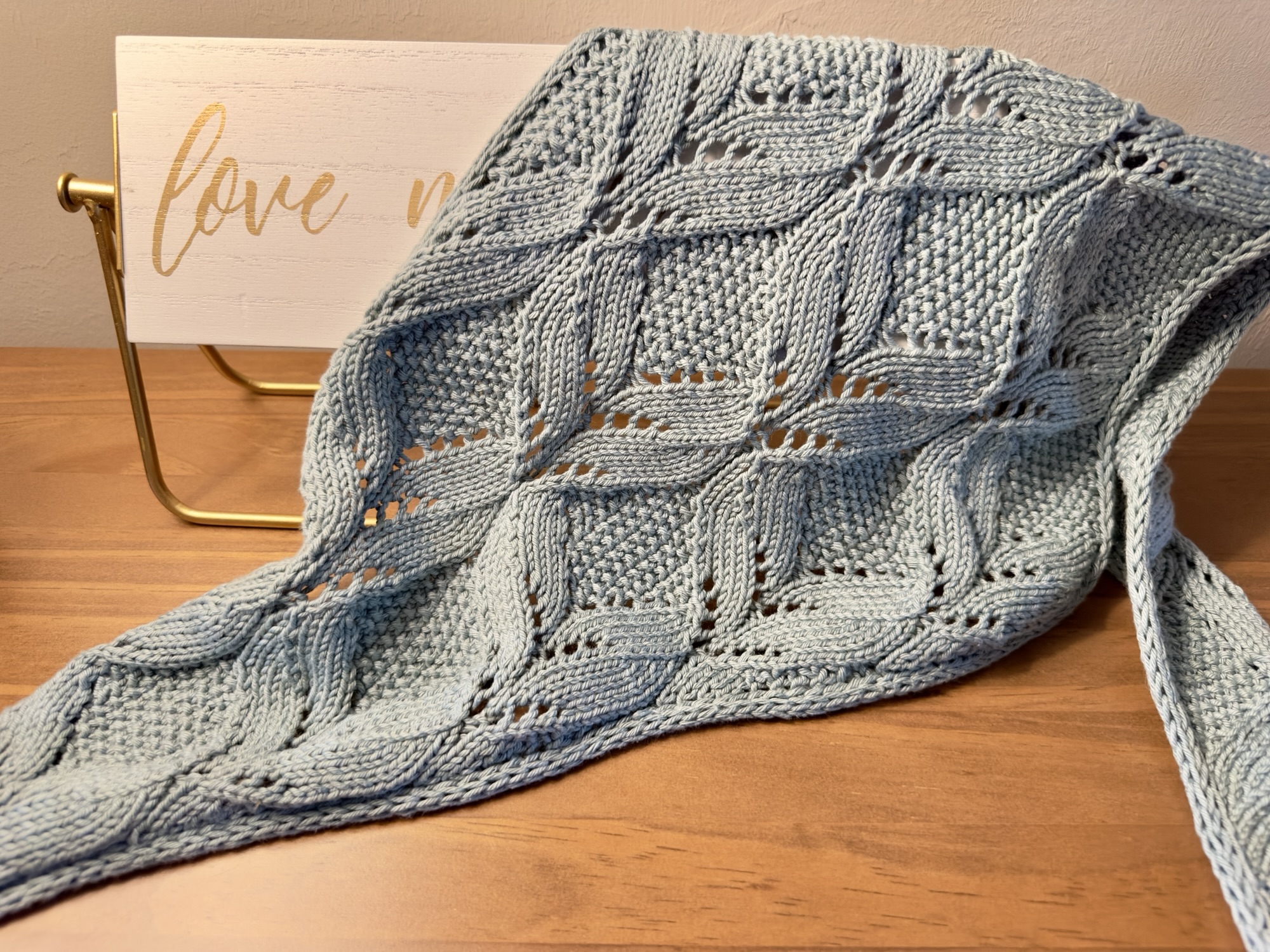
- Poet Scarf by Sari Nordlund, Made with Rowan Summerlite DK, On US 7 needles
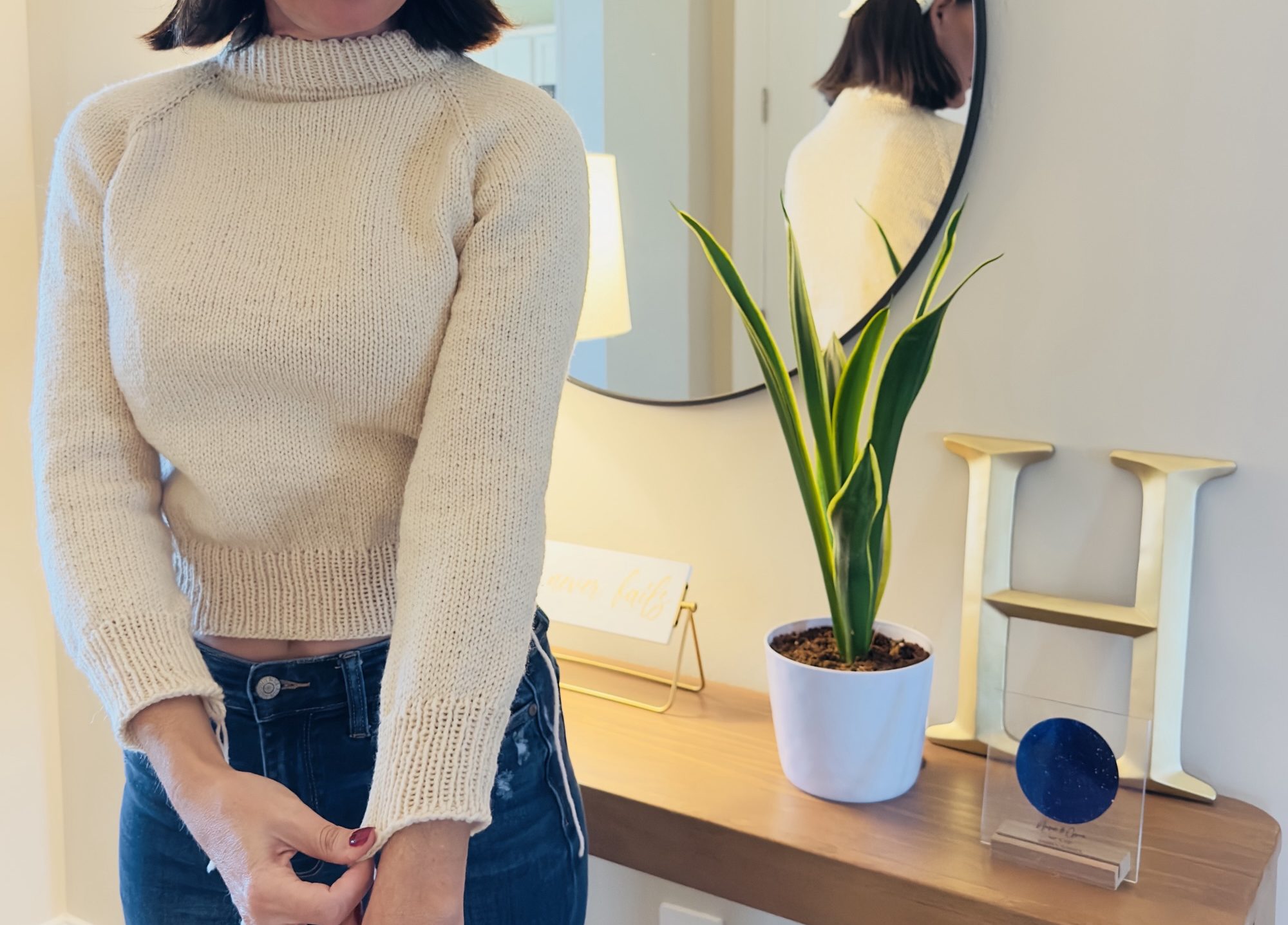
- Step-by-Step Sweater by Florence Miller, Made with Rowan Superwash Pure Wool, On US 7 and 9 needles
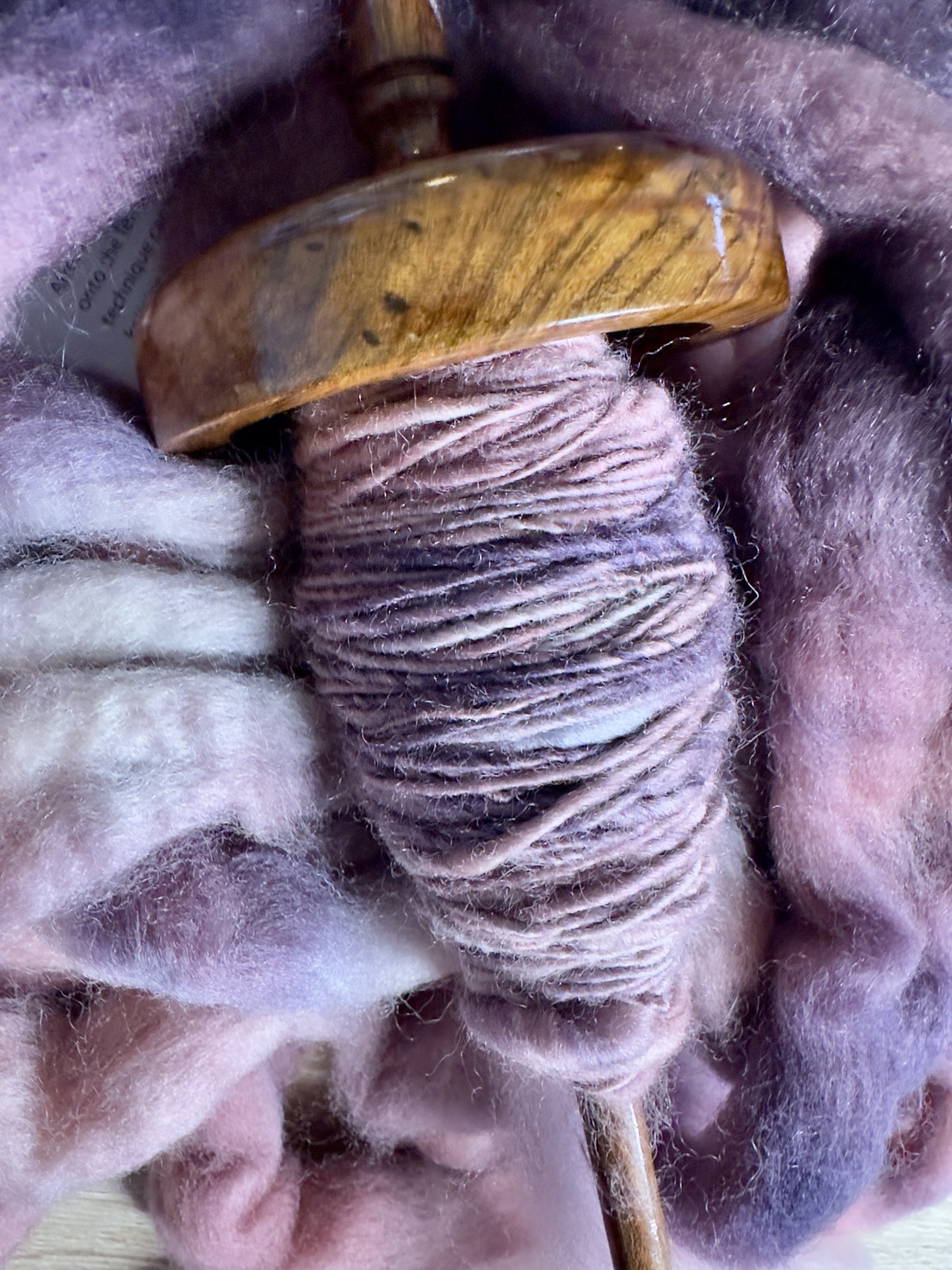
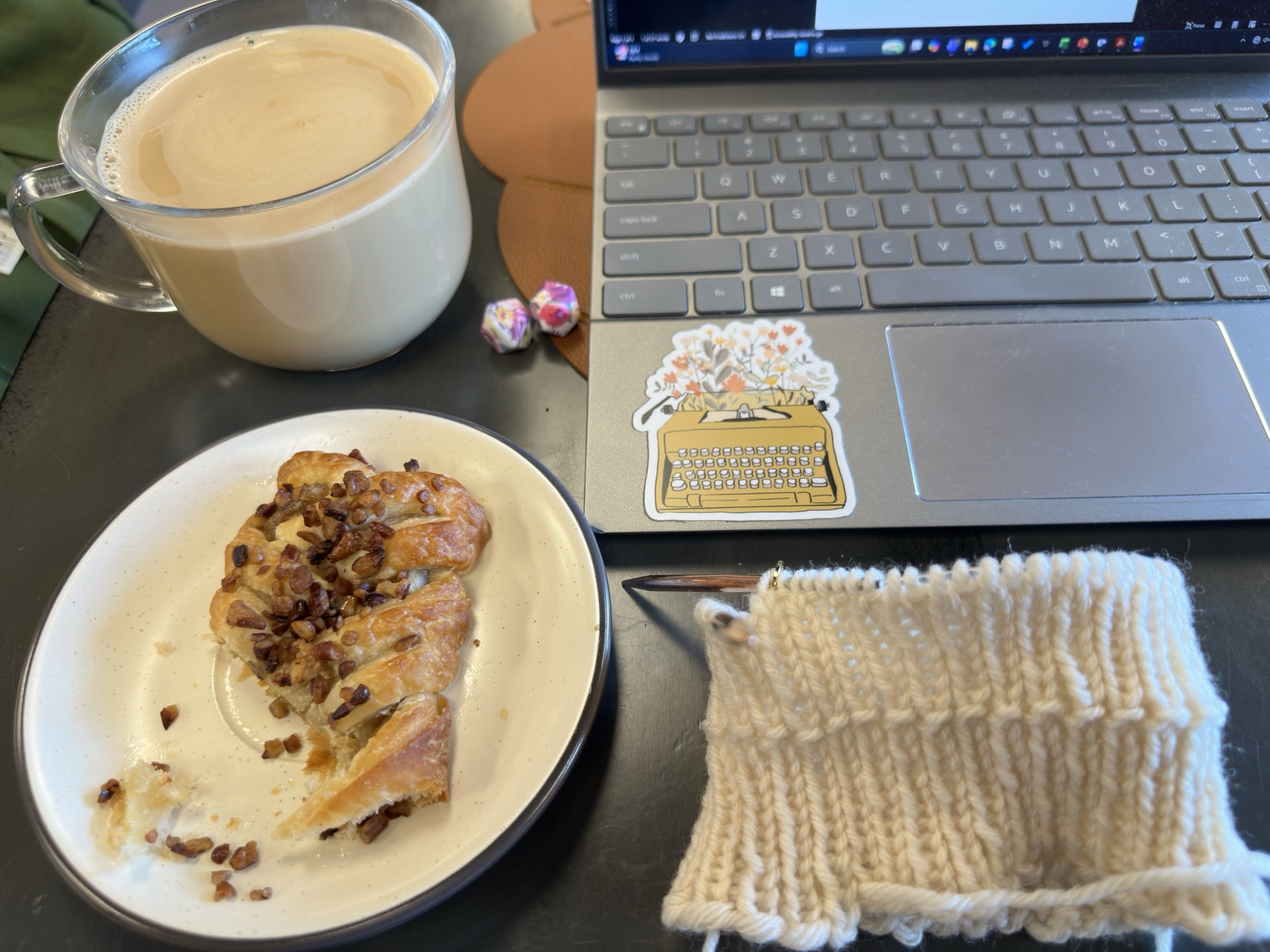
- Ear Warmer Headband, Made with Handspun (so cool that I can say that!), On US 10


Warmth & Impact on Hand Health
I enjoyed the very slight warming of the copper needles, but it was truly faint. I mainly noticed how the metal did seem to swell when exposed to a warm environment, which is certainly the dominant weather in my location. When I researched copper, this was not confirmed as a scientific property, but when I took my needles outside while working on the Poet Scarf, I noticed the stitches were significantly harder to slide up the needle than when I was working on it inside. It had no actual impact on the project, from what I can tell, but it wasn’t as pleasant to work with the tight stitches, as you likely know.
Speaking of impact, I cannot say that the copper knitting needles were helpful to any hand fatigue. It seems that the yarn weight impacted any pain in my hands more than the needle material. Bulkier yarn, of course, leads to tired hands more quickly than fine yarn projects. However, not all patterns are created equal. There are certain patterns or techniques that require more fine motor muscles, even with a finer laceweight yarn. This was my experience with some rows of the Poet Scarf and with the bulkier handspun project.
Smooth Sailing, aka Stitch Sliding Score
Again, I recognize that all knitters vary. (You can watch recent Adam Cleevely’s video on gauge variation as one way to prove it.) But, I think we all strive to have a nice, calming experience, where stitches glide on our needles and don’t fight us along the way. The shiny copper looks as smooth as silk, but there is a slight texture to the copper needles upon their first use.
It almost seemed like machining marks left behind from their production. The good news is that after a few rows of a project, it seemed almost like they were polished out. After the size US 7 got “polished” by the Rowan cotton, the stitches were smooth sailing for the rest of the project. I noticed the same for the other needle sizes, which had the wool yarn projects (1 super wash and 1 handspun). A few rows in, the machining marks made no difference to the knitting experience.
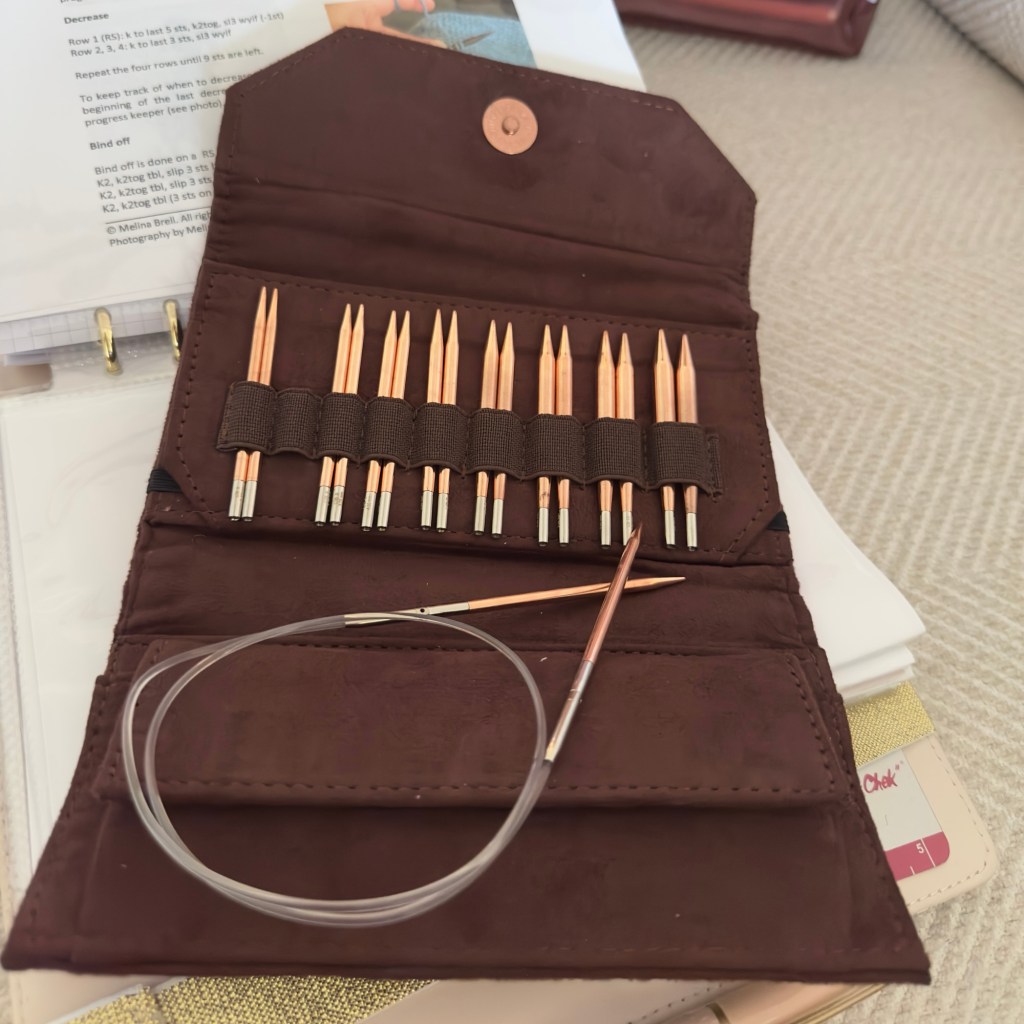

Another factor that impacts smooth stitches with circular needles? That’s right, a twisty cable between the needles! The Lykke cable is pretty sturdy. It is significantly thicker than the cables with my Knit Picks Reflections needles. The sturdiness makes it especially hard to get the cable to uncoil from the shape it is stored in. In other sets, I can often use my warm hands to straighten and stretch the plastic cable. The Lykke cables required a dip in hot water to loosen up and become comfortable. But after the plunge, the cables stopped fighting me on projects worked in-the-round or flat.
Final Thoughts
In some ways these knitting needles didn’t entirely meet my expectations for ergonomic magic, but I am really pleased with this purchase. I have worries about their longevity, since I suspect some slight bending/indentions might plague the softer metal over time. Time will tell on that, but in the meantime, I love my current knitting toolkit and the Lykke Chopra knitting needles were just the touch of style and function that I needed.
Have you tried other needle materials? What’s your favorite? Happy Knitting!


Leave a Reply